26 June 2016

Weekend notes: Learning Machine Learning, mainly

Various notes....
---
"All learning is self-learning"

Machine learning
  • Supervised learning = Predictive
    The computer is presented with example inputs and their desired outputs, given by a "teacher", and the goal is to learn a general rule that maps inputs to outputs.
    Setting up a curriculum: Via: Find the Process/Algorithm in the middle. Start: Input + Output. Step1: Data + Labels = Know output --> Algorithm
    Step2: Data + Labels + Algorithm --> Predicted output
  • Unsupervised learning = Exploratory
    No labels are given to the learning algorithm, leaving it on its own to find structure in its input. Unsupervised learning can be a goal in itself (discovering hidden patterns in data) or a means towards an end (feature learning).
    Data --> "Labels" (from a cluster)
  • Reinforcement learning: A computer program interacts with a dynamic environment in which it must perform a certain goal (such as driving a vehicle), without a teacher explicitly telling it whether it has come close to its goal. Another example is learning to play a game by playing against an opponent.[4]:3
    --> Collaborative learning

The creation of Groups are normally utilised to reach a Desired state
  • In classification, inputs are divided into two or more classes, and the learner must produce a model that assigns unseen inputs to one or more (multi-label classification) of these classes. This is typically tackled in a supervised way.
    --> setting up Rule-based classifications
  • In clustering, a set of inputs is to be divided into groups. Unlike in classification, the groups are not known beforehand, making this typically an unsupervised task.

Rows = Instances (has to be independent, if one row change, the others won't change)
Columns = Features

Video: Introduction to DataAnalysis
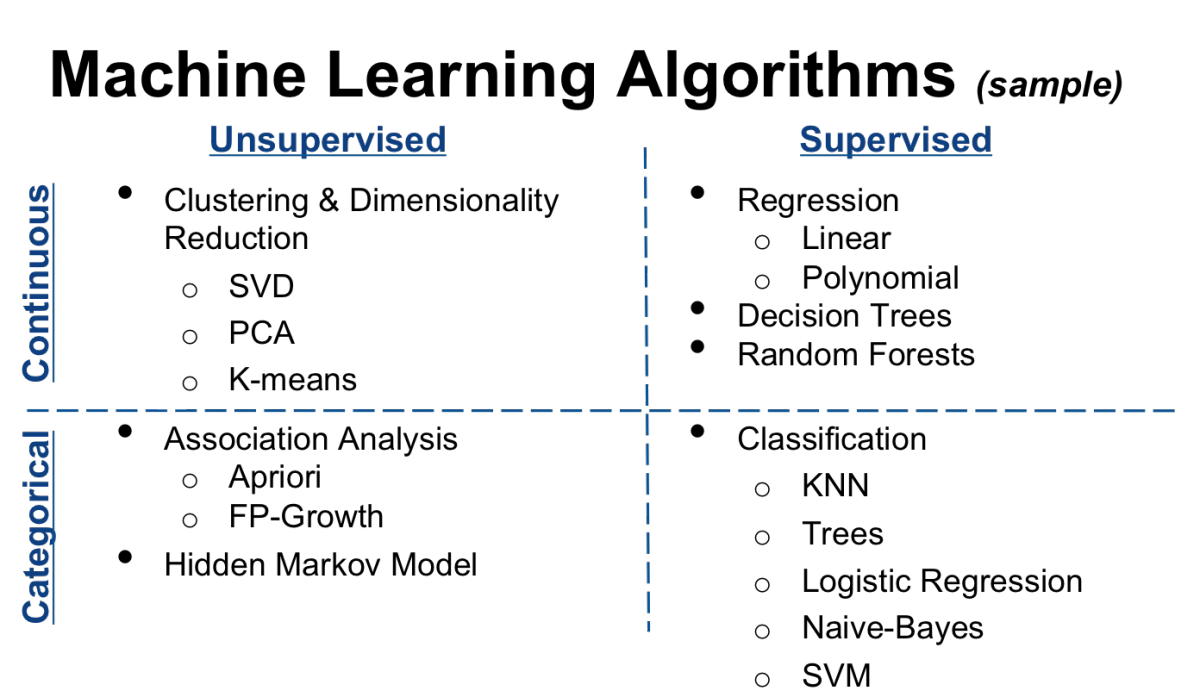

Picture: Continuous = Measures, Categorical = Dimensions
Supervised = From I/O find the Process
Unsupervised = Find 

Pic: Clustering via K-means (videoSilhouette-coefficient

Decision Tree: Eliminate as many as possible, with as few questions as possible (i.e. male/female)
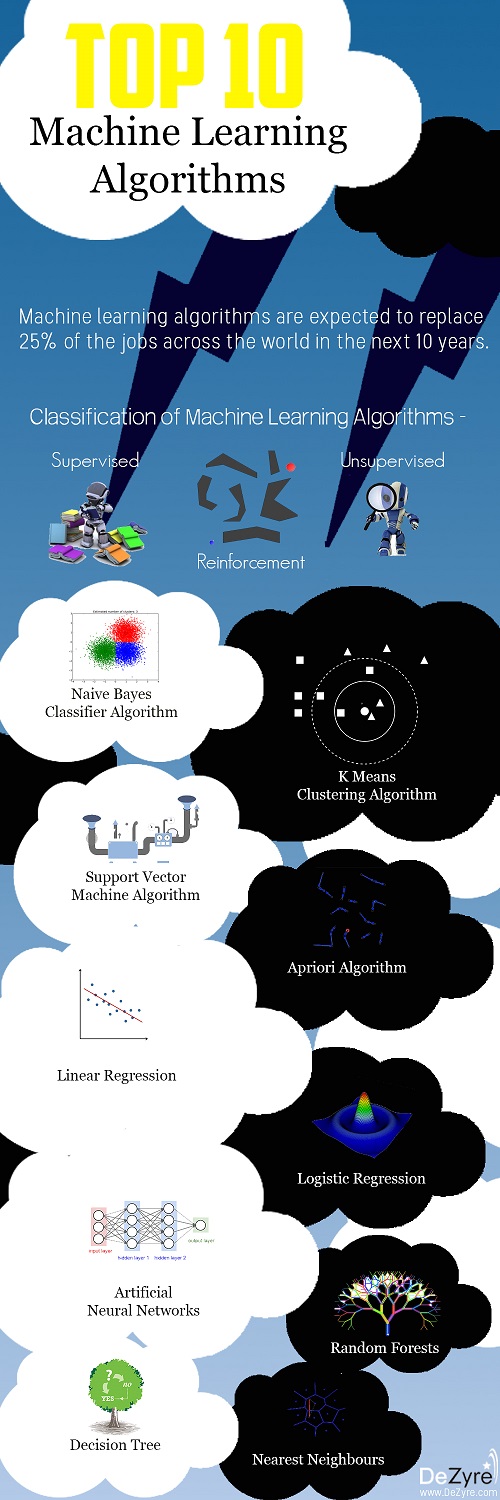
Machine Learning Algorithms
Pic. https://www.dezyre.com/article/top-10-machine-learning-algorithms/202


Video:


Pic. http://codinginparadise.org/ebooks/html/blog/nips_day_3_posters.html


Macroscope -  sense things too large for humans (Machine Learning)
“This is one of those really rare game changers that come along very infrequently but has the ability to remake the whole stock- and economic-research industry,”
* night lights indicate slower growth
* metal roofs can show transition from poverty
trucks in factory parking lots can indicate industrial output
Investors can mine them to pick stocks
Xavier Sala-i-Martin, a professor at Columbia University in New York, used the same night-light data to question World Bank estimates that 30 percent of the globe lives in poverty. He says satellite photos suggest the percentage is just 6 percent.
Conclusions depend on how observable visual data correlate with actual levels of income and consumption.
Source: Bloomberg

Pic: More ProcessingUnits --> Time 2 Accuracy, Cost: Energy/Processors (video)
MoreData  + BetterAlgorithms + MoreProcesses --> BetterResult
CloudMachineLearning


Pic: https://youtu.be/XYwIDn00PAo?t=161


Pic: Google SunRoof

Source: http://www.rosebt.com/blog/archives/06-2016


google cloud storage service screenshot

Pic. Resource -- Analysed/transformed via Compute --- to deliver "Solutions" (Prod.+Services)


https://cloud.google.com/products/



Pic: Machine learning Human arts: https://twitter.com/googlecloud/status/715891689143963648


2015-internet-archive-hathitrust-books
Pic. Machine learning 4,500 emotions and themes compiled from two centuries of books.
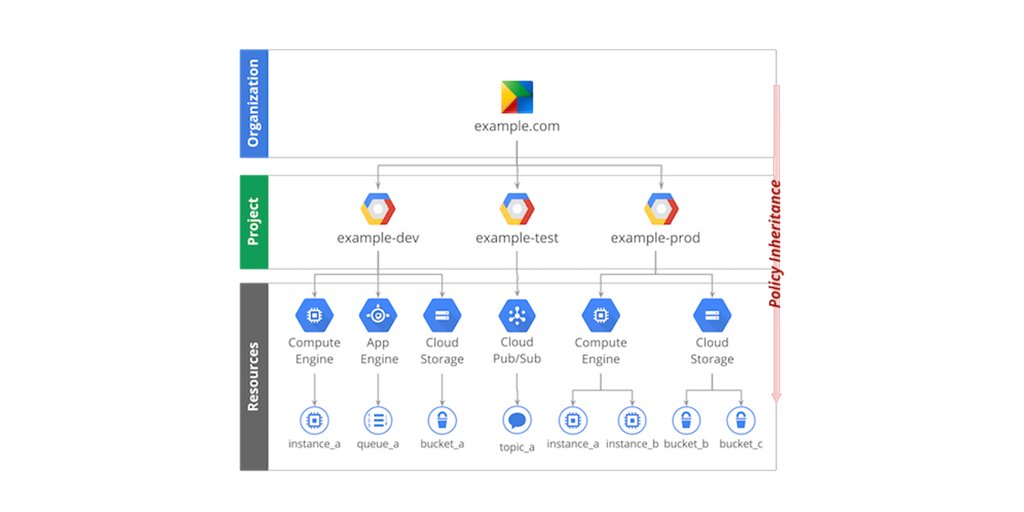

Pic. Almost right. The project encapsulates the organisation


Pic. Compact visuals with SparkLines


Other, twitter

12 June 2016

All known physics in one formula + Sustainable Growth


Video: All known physics


Picture: Mathpix (article)


Picture: Value from less Resource usage; Energy/Time/Management ((Jeremy Rifkin))


Video: Ted talk


Video: Synchronising the thought-patterns; both the listeners (metronomes) and the speaker.

29 May 2016

Weekend notes: Process v.s. Object

To write or to talk two of my methods to set/hold a process to create a certain level of understanding.

In Object oriented programming, the term Object is mainly a process;
It's 'a named object' that transforms Input to Outputs. Usually one of the inputs is the main object to be transformed, some of the other inputs are support objects/components for the main object, and some of the inputs are there to guide/control the process.

Process = Objects put in a certain sequence.
The traditional Hierarchical Organisation primarily recognise the Object responsibility, not Process responsibility.
In practice 'bottom up' has a Object responsibility, and top down has a Process responsibility
'Process mining' can discover the primary sequence


 Bildresultat för object oriented programming
Picture: Object oriented (programming); f.e. a thumb can do certain things


Example: 'A thumb' can do certain things (it can bend). Other fingers can do the same thing.
Noun view = fingers can bend
Verb view (process/method/functions) = bend can fingers - requires time
So an Object can be viewed as a Sub-process; a dishwasher wash dishes


Picture: However Properties/Attributes are the Adjectives; the define the Object (or Noun)


Now the Output from a process is defined usually defined as an Object, and that object has - among other properties - a value (read worth from 'the eye (sense) of the beholder'.


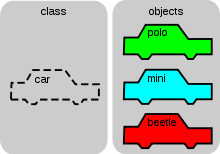
Picture: The concept of 'a vehicle'. An instance


Picture: Guiding Principles, for the object or process ;-) ?


AGA-EAP (pg.8): "Principles should be stable, having a “timeless” quality because they define a value system (as a rule, while methodologies frequently change, values do not)."
'Value for Trade' can be 'Value for Money/Time/Effort/etc'.
Equality - Fair Trade, Good for everyone and no Harm for no-one


Picture: One type of the inputs are Rules/Targets


Picture: Principles are inherited


-------
Justice - Ethics


Picture: Right outcome for stakeholders(effective), Right process (efficient)


--------
The learning process
Step1: Factual: procedures (not named), things, places, ...
Step2: Conceptual; procedures (named), ...., ..., ...
Step3: Pre-dictional; understanding the clockwork for a certain output
Step4: Pre-scriptional; understanding the optimal outcome from various angels.
a) uphold previous levels, b) set a new level, c) uphold new levels
OneNote Class Notebook as an e-Portfolio 4
Picture: The right teacher (master) can guide the student improve the process

Key Learning Areas = Subjects = Objects(facts; procedures)
The order in which we learn (do things) can be flexible, a Critical Path Method
The way we combine the objects are

----
They are getting closer, but they still don't see the full picture ;-)


Picture: Corporate Performance Manager suite (Gartner) via PowerPlanner


Reporting = Get data
Budgeting = Resource planning
Forecasting = Output planning

-------
Principles:
Helping Agencies Share Information Efficiently
Picture: Pyramid of principles

Tier1: Principles to Collaborate; good for all, bad for none (of the stakeholders)

---

Picture: Physical  and logical world

---
Free; To resources/process/publish
Fair: Equal rules right/wrong
---

Above all else show the data
Tufte, 1983

DIR.jpg
Picture: Data ink ratio (the power of simplicity)


------
Deviation Actual / Target


Picture: VarianceToBudget (Deviation Actual / Target)


The Business model works perfectly...
Picture: The fundamental dimension; can=capabilities, will=ambition


Source file: How to combine two tables with different granularity (PowerBI-model)


Physical v.s. Metaphysical limit
Metaphysical = attempts to describe the physical world."The metaphysician attempts to clarify the fundamental notions by which people understand the world, e.g., existenceobjects and their propertiesspace and timecause and effect, and possibility. "

-----
Sensual art - composition of various sensors
SKU=StockKeepingUnit v.s. Individual

01 May 2016

Weekend notes: Lean, Governing framework, Home of Reason

logo
I enjoy reading this blog post but I think some things are a bit biased. Even if it triggers the urge to comment.

Lean people spend numerous hours (drinking coffee, discussing) investigating efficiency actions. This argument can also be true, but it depends on what the people (involved) can do and wants to do (as a fact or as a feeling).

Next post: Few think deep of the true reason behind things - like visualise is a way to engage one of our sensory input systems (more data points) making it easier to draw conclusions. Like machine learning methods, it (individual/group human learning) increase degree of True/Positives (confusion matrix). And similar to distance distortions (via meta levels) we talk about Go & See (or Go & Do).


-------
The Governing Framework
The Governing framework predicts all of the below (it's power still amaze me...so, a book) :
Mandate ~ foresight

Framework decision = Required results without dictating the means...shall be binding.
Directives = capable of direct effect
Text: ...shall take measures (actions) and promote cooperation, using the appropriate form and procedures (processes) as set out in this title, contributing to the pursuit of the objectives of the Union. To that end, ...

legal doctrine is a framework, set of rules, procedural steps, or test, often established through precedent in the common law, through which judgements can be determined in a given legal case. A doctrine comes about when a judge makes a ruling where a process is outlined and applied, and allows for it to be equally applied to like cases. When enough judges make use of the process soon enough it becomes established as the de facto method of deciding like situations.

Constitutionalism is "a complex of ideas, attitudes, and patterns of behaviour elaborating the principle that the authority of government derives from and is limited by a body of fundamental law".

Constitutionalism has descriptive (is/now) and prescriptive (should be/future) uses.  
Used descriptively, it refers chiefly to the historical struggle for constitutional recognition of the people's right to 'consent' and certain other rights, freedoms, and privileges.... Used prescriptively... its meaning incorporates those features of government seen as the essential elements of the... Constitution"
... rest on the collective sovereignty of the people...  
(the sovereignty of laws for life, as a consequence of the physical laws).

 ...institutions are expected to be permanent, and every state has established ways of doing things. But even with a "formal written document labelled 'constitution', it does not follow that it is committed to constitutionalism.  "constitutionalism... ought to be recognized as a distinctive ideology and approach to political life...


Picture: The purpose of apprenticeship is to fosters a strong passion to master a process.


Current:
(The output from the Mission process is a
resource (product/service/capital) for any stakeholder.

Desired:
The output from the Vision process are Governing framework (rules;if/then). The natural laws/rules. )


(To write down the current/expected values, principles, methods, and results is the first step to develop a Governing framework. The second part is to be governed by the Governing framework.)

A constitution is not uncommonly limited to (link): "A company constitution is a document that generally specifies the rules governing the relationship between and activities of the company, its directors and shareholders". ..a contract between the company and each member...directors...This only creates enforceable rights and obligations ...to shareholders...directors and/or company secretary."


-----
"Insamlade data" + "Ny insikt" + "Handling" = ”Värde”


---
Home of Reason


Neocortex återfinns bara hos däggdjur. Den består av sex lager neuroner som löper längs med hjärnans yta. Det är i denna del av hjärnan som högre utvecklade beteenden och kognitiva förmågor sitter. Där är bl.a. här som våra konsekvenser av våra handlingar präglas.

The neocortex says Carl Sagan in his iconic Cosmos, is where "matter is transformed into consciousness (link) ... appearance of symbols and language.

24 April 2016

Weekend notes: Classifying the Political Leanings + R

png
Picture: Political leaning of English Newspapers (interactive map)


The concept to decipher the Left/Right wing affiliation is great - though the report is difficult to read.
----


Video: Start with the summary

-------

Picture: What Microsoft adds to the R-community (start: 04:00)


Picture: Visual makes it fun (link)


The process is always: Noun-Verb-Noun
The resources is always: Who-Who-Who
The energy is always: Why-Why-Why
The process is always: What-How-What
The process is always: When-When-When
Verb is always: How

---------
worpressplaatjescore
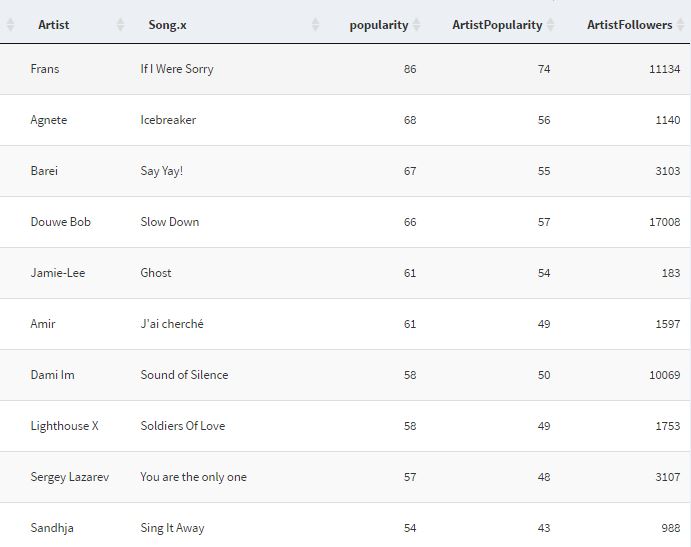
Picture: Eurovision Spotify statistics - predicts the winner


-----
Links
Machine learning cheatsheet
Principal Component Analysis

17 April 2016

Weekend: Resources & Project

Uniform Resource Identifier

Uniform = there is a standard (labels)
Identifier (id/code/label/symbol) = what; video: code vs identifier
                (Top down: I am what I do, Bottom up; what I do I am - defined by property)

Locator = where (now)
Unique Identifier = Individual (one instance)
"=" is an Assignment operator, or a Comparison


En URI består av följande delar:
 foo://example.com:8042/over/there?name=ferret#nose
     \_/   \______________/\_________/ \_________/ \__/
      |           |            |            |        |
   schema authority sökväg fråga fragment
      |   _____________________|__
     / \ /                        \
     urn:example:animal:ferret:nose

Domestic (primary) key
Foreign key

Main Resource Identifications: Databases, Tables, Columns
Database schema: architectural map, wire diagram, + Relationships

Http = Language (protocol). Naming conventions is only as good as the consistency/quality
Parsing or syntactic analysis is the process of analysing a string of symbols, either in natural language or in computer languages, conforming to the rules of a formal grammar.
Tokenization is the process of demarcating and possibly classifying sections of a string of input characters. Tokenized and represented by the following table:
LexemeToken category
sum"Identifier"
="Assignment operator"
3"Integer literal"
+"Addition operator"
2"Integer literal"
;"End of statement"
Denotation is a translation of a sign to its meaning, like dictionaries try to define it.
Connotation is a translation of a sign to its meaning within a certain context.
Example: a rose, can have different meanings in different contexts/culture/habitat.
---> Context model, Information model. Data model


Uniform Process Identifier (non-existing today)
Transaction = In, Action/Process, Out
Every row - from Input to Output is a Project (requires, resources, and end-product)

Every project has a end-product has a 'product-target' and 'effect-target'.


Views = Stored Virtual tables (via a query) - one select, simple
Stored Procedures = to make Virtual tables - much more capable


Picture: Binary operations; To Arithmetic (number), To Compare (number/text), ...


I think we use operator for numbers, text and tables. For instance, it should be possible to use Merge and Append operations (symbols) for Tables. Example [ColA]&[ColB] and [Part1]¤[Parts2].

&! could be used to subtract: [ColAB]&![ColB] --> [ColA]

----
Typer av förfrågningar
HTTP (protokoll eller språk) oftast beroende på GET eller POST definierar åtta åtgärder som en klient kan begära utförande av på en fil på en HTTP-server:
  • GET – Ber servern att skicka den utpekade filen till klienten. Detta är i särklass det mest använda HTTP-kommandot.
  • HEAD – Ber servern att skicka information om den utpekade filen, men utan att skicka själva innehållet i filen.
  • POST – Sänder någon form av information, till exempel användarens namn och lösenord till servern.
  • PUT – Om tillåtelse ges, laddar upp en utpekad fil från klienten till servern för lagring.
  • DELETE – Raderar den utpekade filen. Detta kommando används sällan och många webbservrar har inget stöd för det.
  • TRACE – Ber servern att skicka tillbaka klientförfrågan precis i det skick som den anlände till servern. Detta kommando kan användas för att kontrollera om någon tredje part mellan klient och server har gjort några ändringar i förfrågan.
  • OPTIONS – Returnerar en lista över de HTTP-kommandon som servern stöder.
  • CONNECT – Används med proxy-servrar som kan fungera som SSL-tunnlar.


The basics
Dimensions usually contain mainly Hierarchies (attributes - the nouns and adjectives)
Measures usually contains mainly Flows (transactions - the verbs, the change/value-adding).

----
The Fundamental Objects, and their Properties appear here too:
The Fundamental Properties, based the fundamental sensors (senses) are here too:

UDEF definitions (video), principles (video). example
Picture: The Fundamental Framework is the same (Laws-Rules can also be targets) - video


11 April 2016

'Cognitive Services' - API for Artificial Intelligence Services (via ML)

You can try the below


I keep the picture below as a reminder if the iframe above is removed.
Picture: Sentiment Democurrent cognitive services available (left)


colossal_collage_vers2
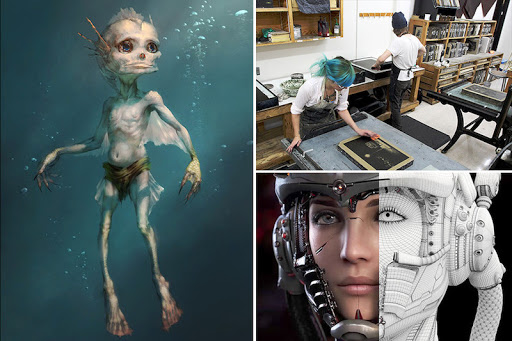
Picture: Epicentre of culture and technology, Academy of Art University ? (link)

03 April 2016

Process Mining

Picture:  See Coursera course (tool1: Disco by Flexicon (Time2:10). + (tool2: ProM free tool)


Picture: Find the Actual process for each Process unit (slide10, slide3). Ideal: 3days, Actual: 5days


Picture: Process Mining Fluxicon


Definitions needed
Process + sub-process name
Product name
Resource name (incl. BOM-name)

28 March 2016

Collection of Charts

Just for fun...

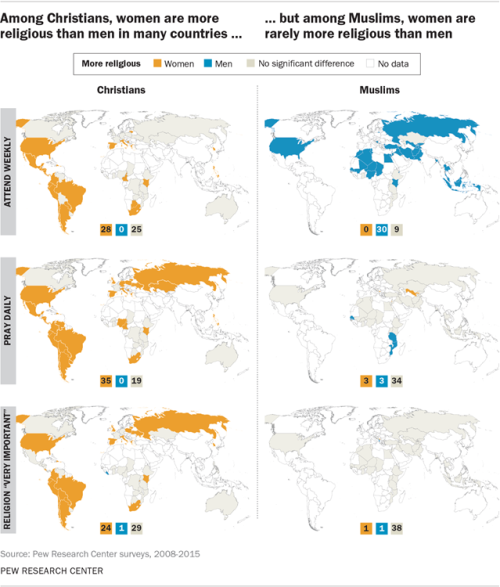
Picture: I found it interesting to look at conflict areas like Ukraine; Crimea...etc 


Picture: Why is this


Picture: Are you living in the past or the future ?


Picture: Is the grass greener elsewhere ?


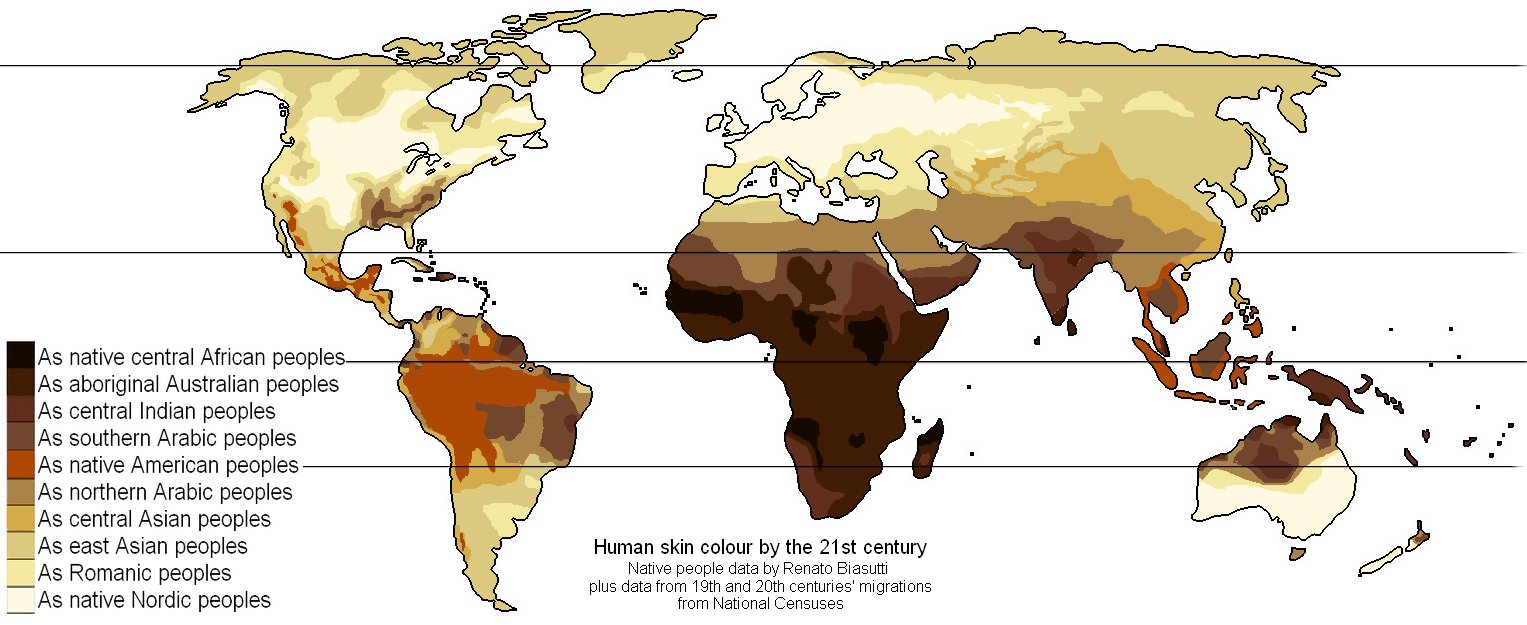
Picture Would be interesting to compare with the number of Sun-hours


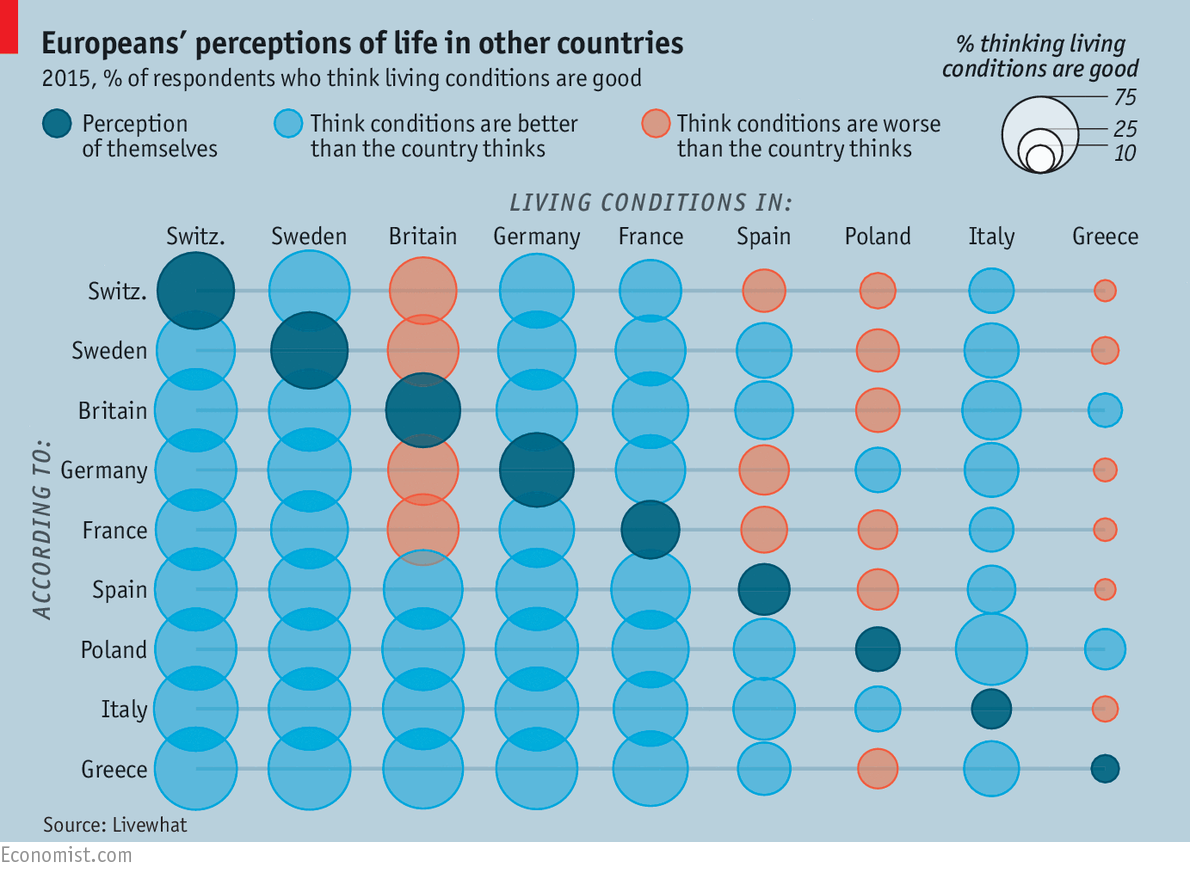
Picture: Only interesting for Scandinavians